

Cost of Vapor Barrier Installation in Grand Haven, MI
Vapor barrier installation costs in Grand Haven, MI can vary depending on factors such as the size of the area, the type of materials selected, labor rates, and specific site conditions. Typically, project expenses include material costs, labor, and any necessary preparation or adjustments based on the space's layout. Understanding these variables can help in comparing options and estimating overall project expenses.
Since final pricing is influenced by the scope of work and site-specific factors, it is recommended to obtain detailed quotes from local providers to determine accurate costs. Reviewing different material options and evaluating the extent of installation needed can assist in making informed decisions aligned with project goals and budget considerations.
Vapor Barrier Cost Range
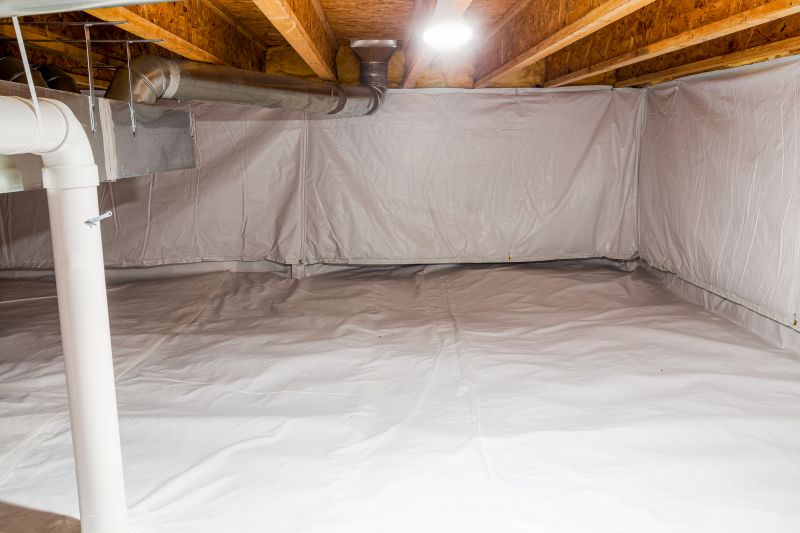
$1,200 - $2,800 (smaller scope)
$4,500 - $9,000 (larger scope)
| Project Type | Typical Range |
|---|---|
| Basic Vapor Barrier in Crawl Space | $1,200 - $2,800 |
| Vapor Barrier for Basement | $2,500 - $6,000 |
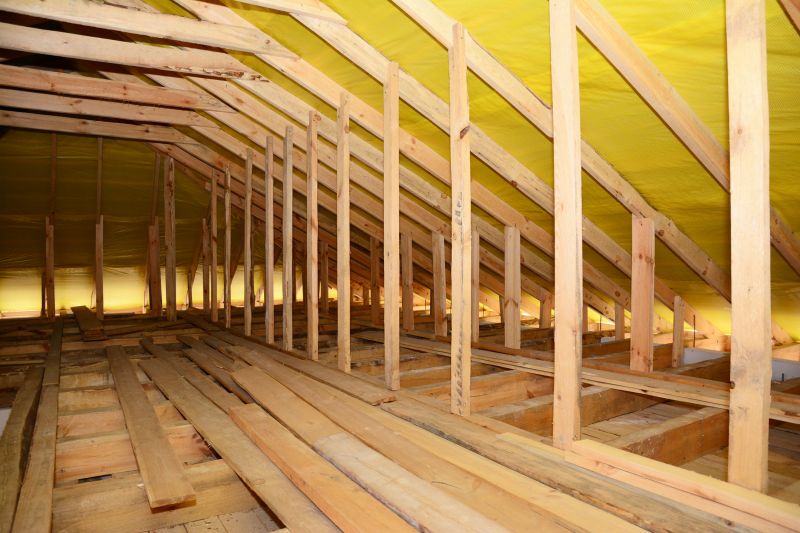
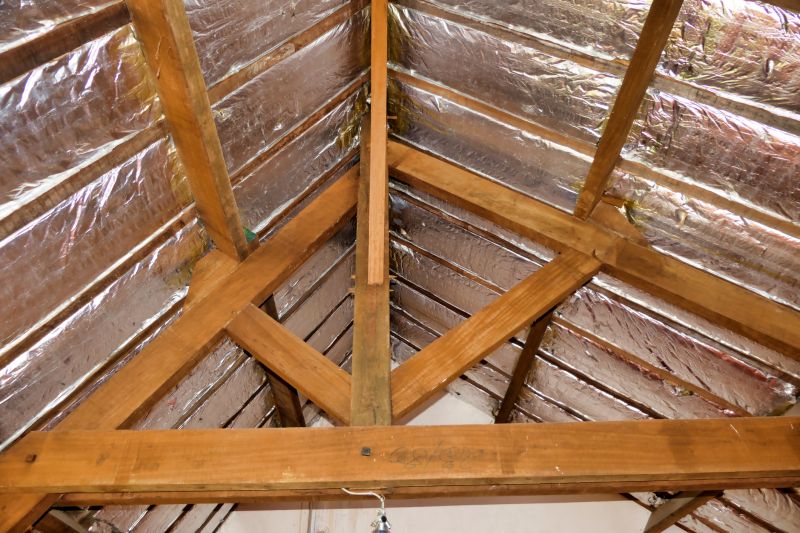
| Vapor Barrier in Attic | $1,500 - $4,000 |
| Complete Crawl Space Encapsulation | $4,500 - $9,000 |
| Vapor Barrier Replacement | $2,000 - $5,000 |
| Vapor Barrier with Insulation | $3,000 - $7,000 |
Material quality, surface area, and labor costs
Vapor barrier installation is an important step in controlling moisture and preventing mold in buildings around Grand Haven, MI. Proper installation helps maintain indoor air quality and protects structural components from water damage. Understanding the typical scope and considerations can assist in planning and budgeting for this project.
- Materials: Common vapor barrier materials include polyethylene sheets, typically 6 mil or thicker, suitable for residential and commercial applications.
- Size and Scope: Installation usually covers crawl spaces, basements, or under slabs, with the size determined by the area requiring moisture control.
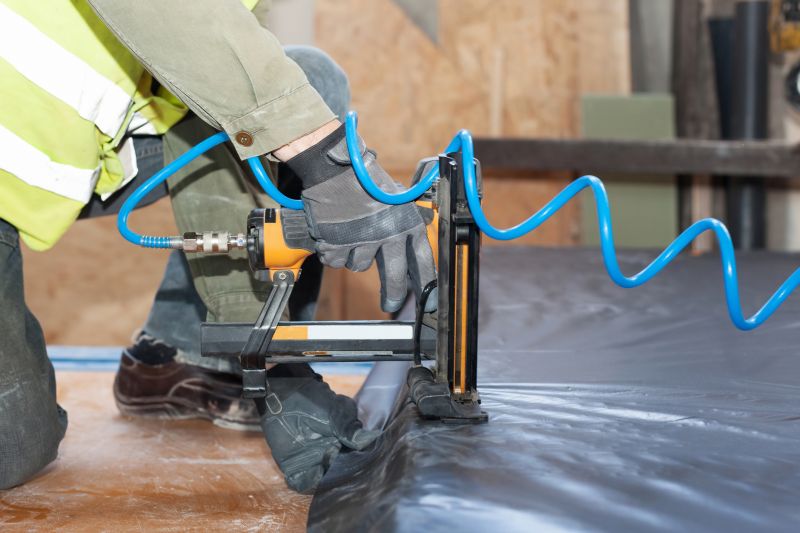
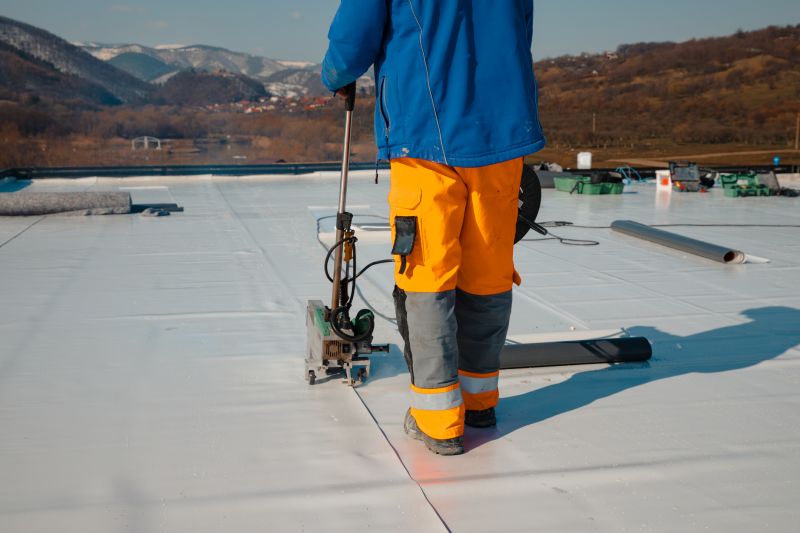
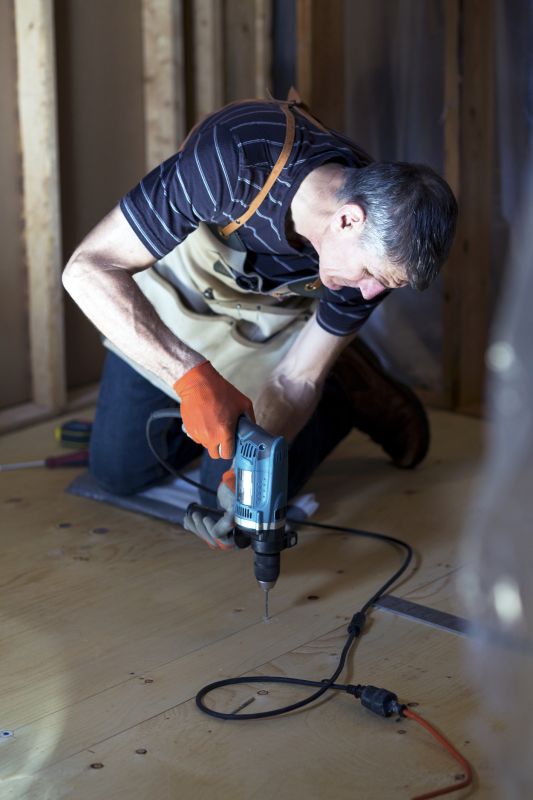
- Labor Complexity: The process involves laying and securing the barrier material, often requiring basic sealing techniques; complexity varies based on space accessibility.
- Permitting: Local regulations may require permits for moisture barrier installation, especially in new construction or major renovations.
- Extras: Additional steps may include sealing seams, installing drainage mats, or applying additional vapor retarders for enhanced moisture control.